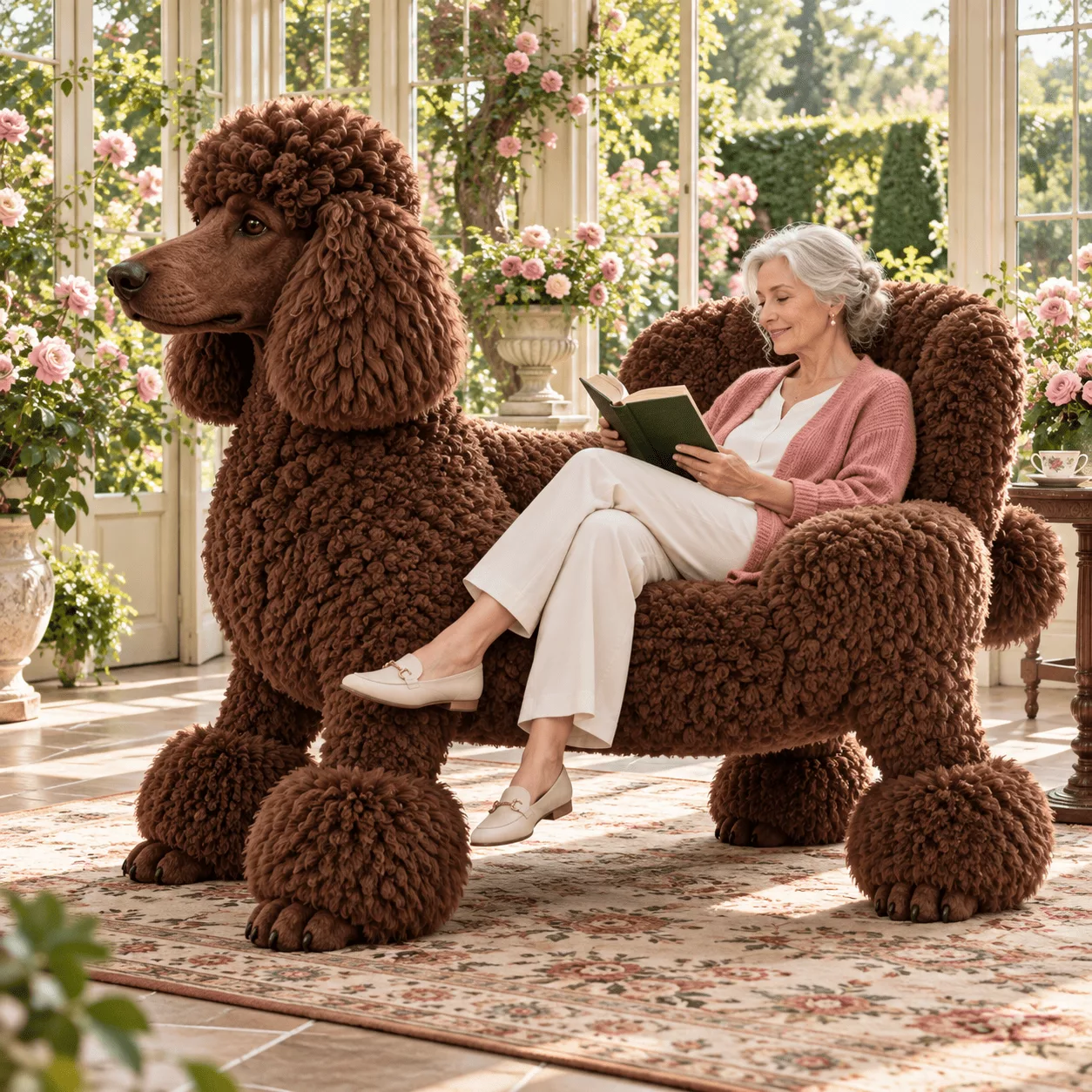
Imagine settling into an oversized chair shaped like a friendly dog, with enormous paws, floppy ears, and a seat nestled into its back. A giant walking dog chair takes that playful idea further, imagining furniture with the expressive stance of a canine companion on the move.
The appeal is easy to understand: a familiar animal shape turns an everyday seat into something full of personality. For dog lovers and fans of unusual furniture, the concept offers plenty of inspiration. Here, we explore it as an imaginative design idea; actual movement, materials, and features would depend on a specific manufactured piece.
What Is a Giant Walking Dog Chair?
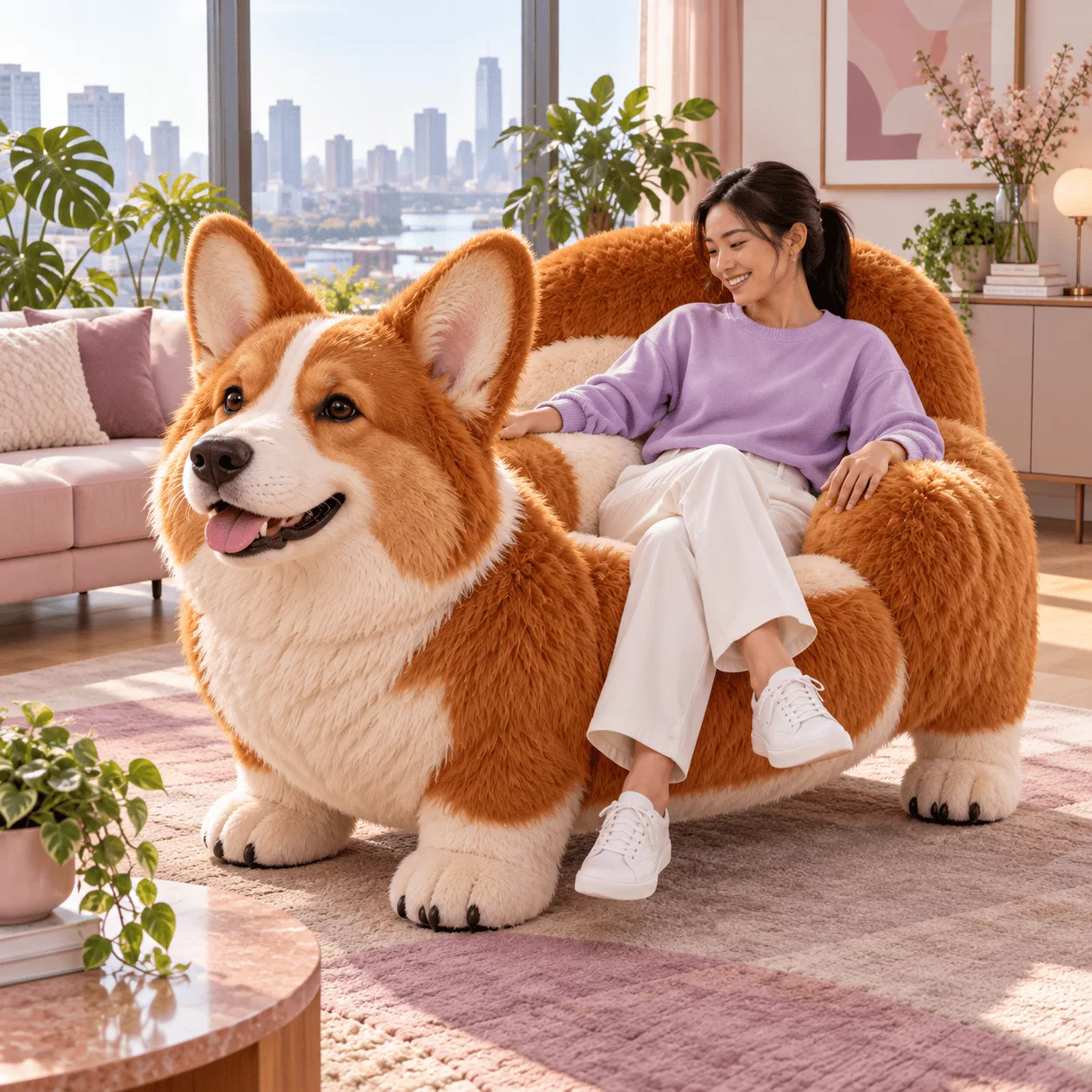
A giant walking dog chair is a furniture concept that combines an oversized dog sculpture with a usable seating area. The word “walking” might describe legs arranged in a stepping pose or, in a more ambitious interpretation, a proposed mechanical movement feature.
Those interpretations deserve separate consideration. A stationary chair can suggest motion through its silhouette without moving at all. A powered version would require engineering, controls, and testing beyond the scope of a decorative furniture design.
In either case, the visual centerpiece is the dog itself. Its head, paws, body, and tail help define the chair’s character, while the seat must remain accessible and comfortable.
The Design Appeal: Familiar, Funny, and Inviting
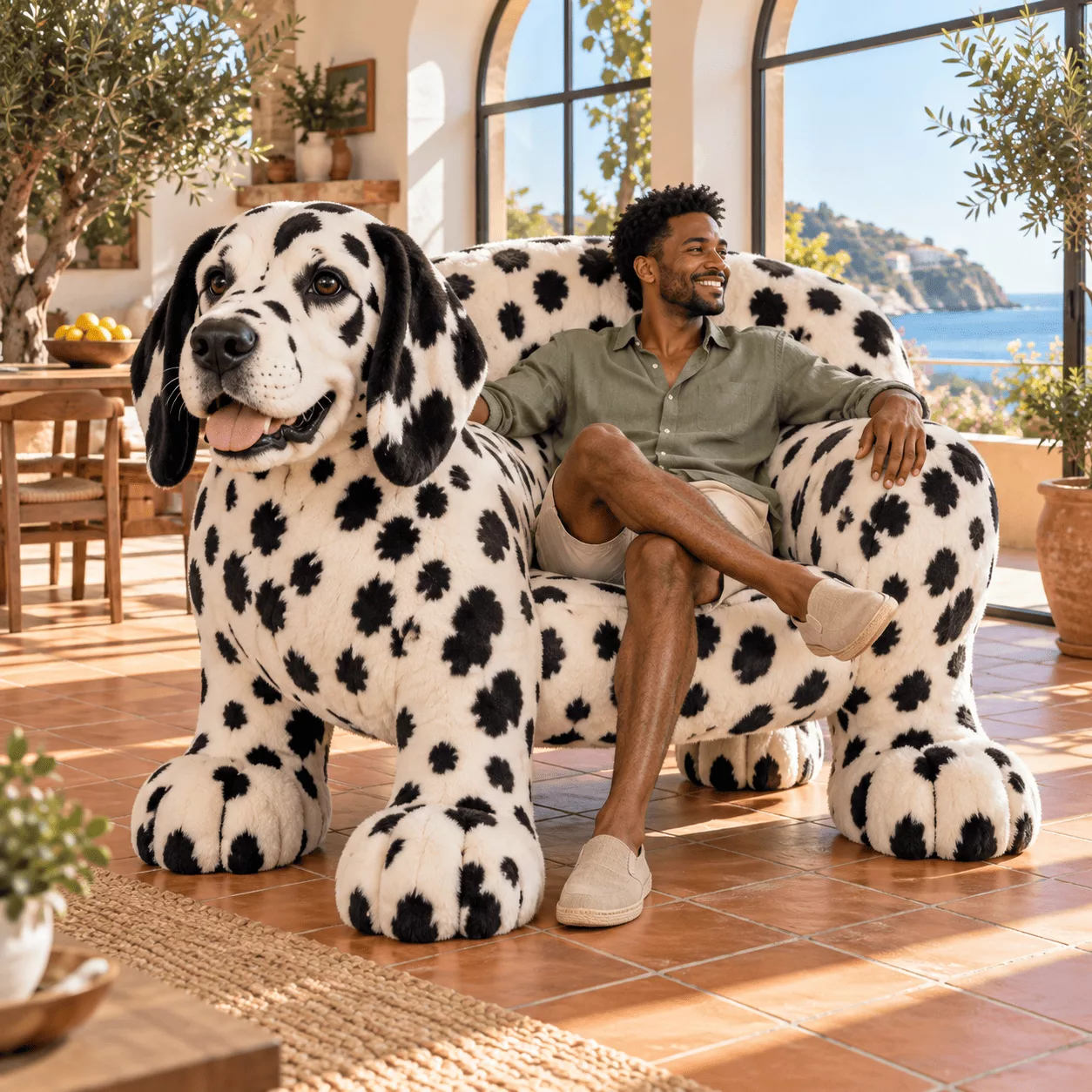
Animal-inspired furniture gives a room an immediate focal point. A giant dog chair adds an especially friendly presence because its features can communicate warmth: rounded paws, relaxed ears, a soft muzzle, and a gently curved body.
Scale creates much of the humor. A dog that would normally curl up beside an armchair becomes the armchair itself. That reversal makes the design memorable without needing elaborate decoration.
The strongest interpretation would balance recognizable canine details with a clear seating shape. From across the room, you should understand both what animal it represents and where someone would sit. Too many oversized accessories could make that relationship harder to read.
Imagining Different Dog-Inspired Styles
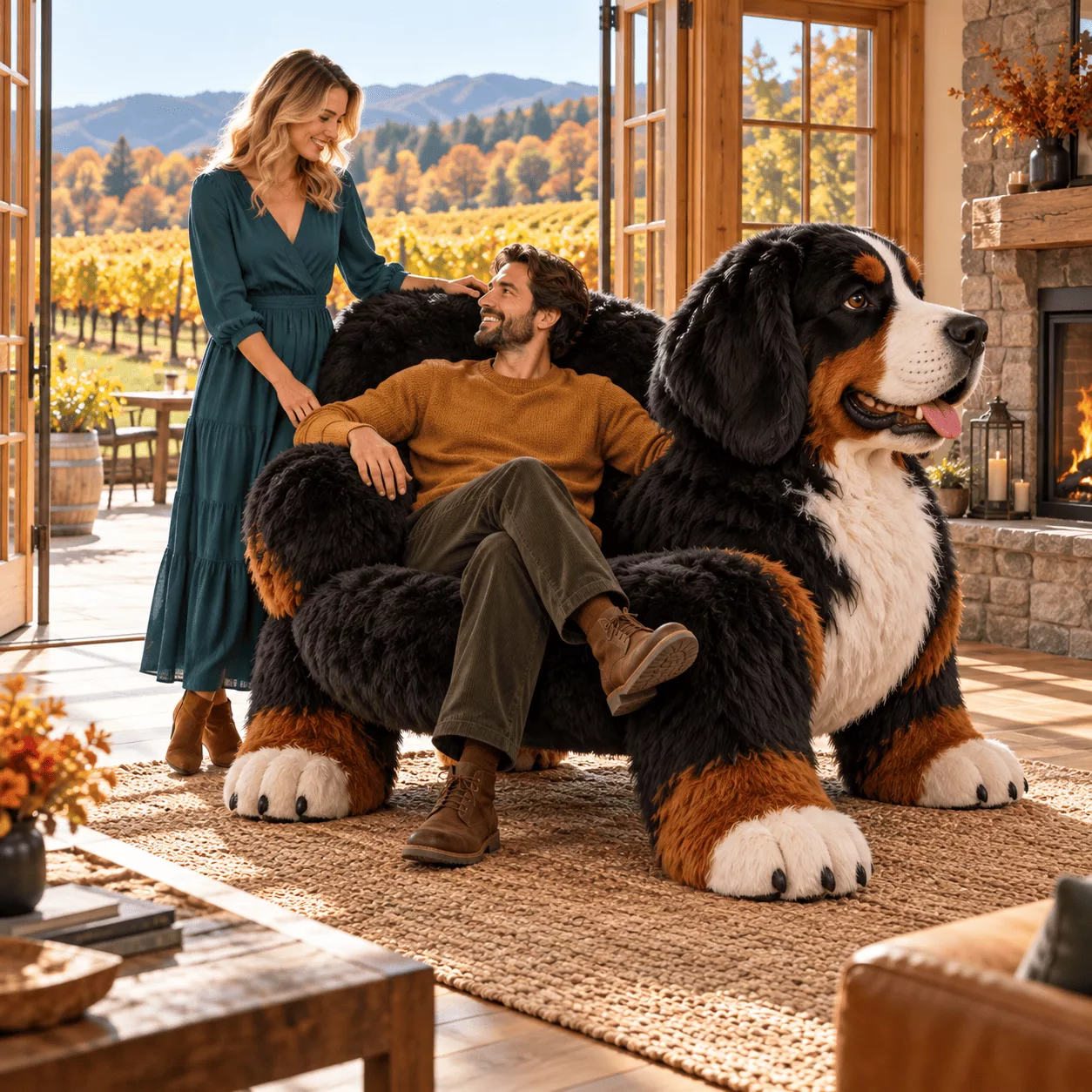
A golden retriever version could use honey-colored upholstery, floppy ears, and a broad, cheerful face. Cream cushions would keep the seating area visually distinct while preserving a warm palette.
A husky-inspired chair could introduce gray and white panels, upright ears, and a curled tail. This approach would suit a room with cooler colors and simple furnishings.



For a more graphic look, a Dalmatian concept could pair white fabric with irregular black spots. A dachshund interpretation offers a different possibility: its elongated body could inspire a chaise-style seat.
These examples show how changing the breed-inspired silhouette could reshape the entire piece, from its proportions to its mood.
Comfort Should Shape the Concept
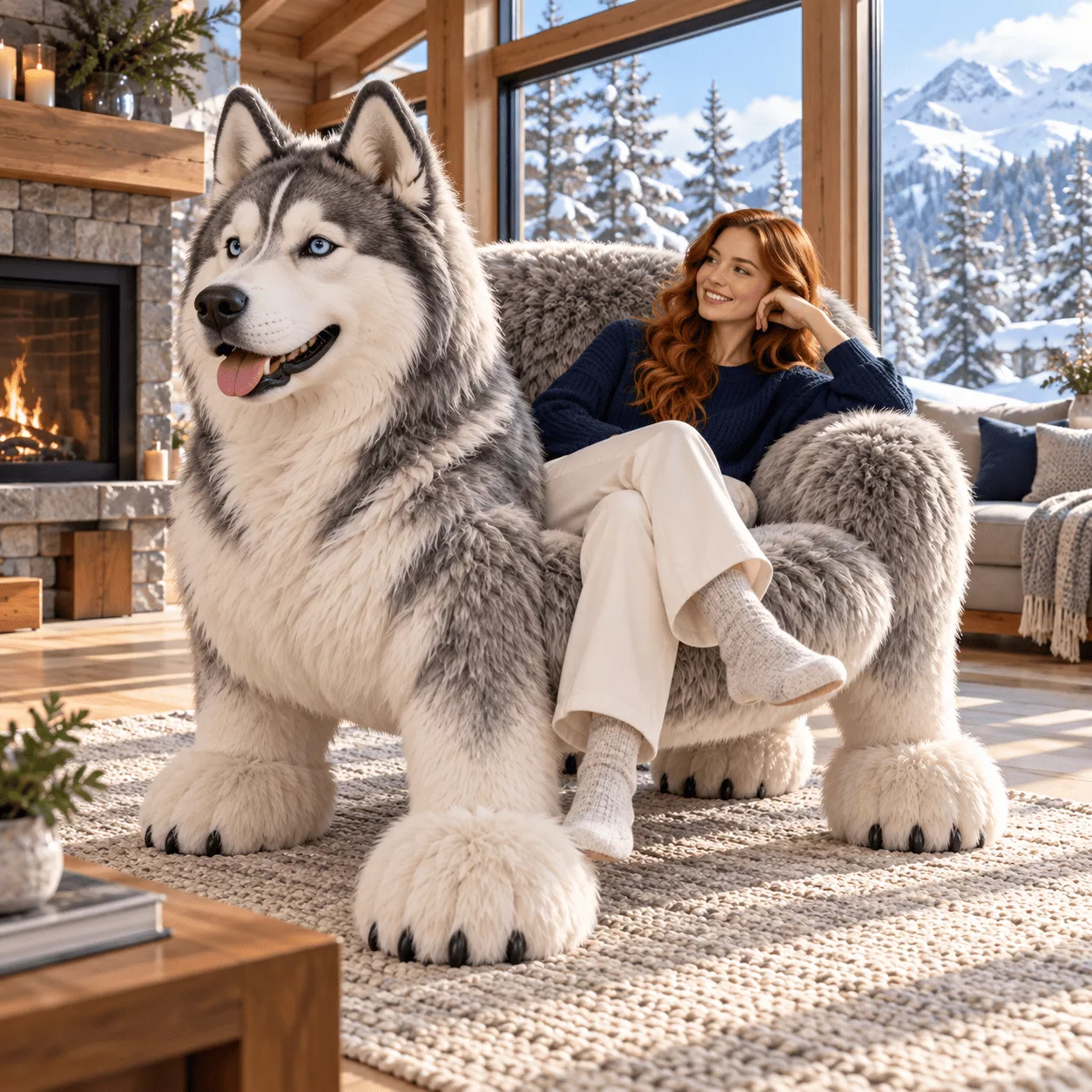
A memorable exterior is only part of a successful chair. The seating area needs enough depth to relax, a supportive backrest, and an edge that makes sitting down and standing up manageable.
In a giant walking dog chair concept, the dog’s body could surround a conventional cushioned seat. Rounded shoulders might frame the backrest, while padded sections along the sides could function as armrests.
Decorative features should stay clear of the user’s legs and elbows. A raised paw may look appealing in an illustration, for example, but its position should not obstruct the approach to the seat. Comfort improves when the sculpture follows the seating arrangement.
Materials and Textures to Explore
Different upholstery choices would create different experiences. Short-pile plush could suggest a soft coat while keeping the dog’s shape easy to see. Longer faux fur could create a shaggy appearance, although it would introduce additional cleaning considerations.
Textured woven fabric offers another direction for a more understated interior. Contrasting fabric on the muzzle, ears, and paws could establish recognizable features without covering every surface in fur.
Any real version would also need an appropriate internal structure and cushioning. A photorealistic concept image cannot establish what is inside the chair, how much weight it supports, or how its upholstery performs over time.
Styling a Giant Dog Chair in a Living Room
Start by giving the chair enough visual space. Its large silhouette already supplies plenty of detail, so nearby furniture can remain relatively simple.
A neutral sofa, a low table, and a plain rug could create a calm setting around a golden or cream-colored dog chair. With a spotted or multicolored design, repeating one upholstery color in a cushion or artwork